
High-Risk Pregnancy Treatment in Hyderabad
Specialised Care for Pregnancies That Need Closer Monitoring
A high-risk pregnancy is a pregnancy in which the mother, baby or both may have a higher chance of developing complications and therefore require closer medical monitoring than a routine pregnancy.
Being classified as high risk does not necessarily mean that complications will occur. It means that the pregnancy may need more frequent consultations, additional investigations, closer fetal monitoring or a more individualised delivery plan.
At Nirmala Hospital, Vijaya Nagar Colony, Hyderabad, our obstetrics team provides high-risk pregnancy treatment in Hyderabad for women who require additional monitoring because of existing medical conditions, previous pregnancy complications or concerns that develop during the current pregnancy.
Care is planned according to the specific risk involved rather than using the same treatment pathway for every pregnancy.
The aim is to identify concerns early, monitor the health of the mother and baby and make timely clinical decisions throughout pregnancy, labour and delivery.
When Is a Pregnancy Considered High Risk?
A pregnancy may be considered high risk because of a condition that existed before pregnancy, a complication that develops during pregnancy or a concern involving the baby’s growth or well-being.
Closer pregnancy monitoring may be recommended in situations such as:
- High blood pressure or chronic hypertension
- Gestational hypertension
- Preeclampsia
- Diabetes before pregnancy
- Gestational diabetes
- Thyroid or other significant medical conditions
- Twin or multiple pregnancy
- Previous preterm delivery
- Previous preeclampsia
- Previous pregnancy complications
- Recurrent pregnancy loss
- Concerns regarding fetal growth
- Placental abnormalities
- Abnormal amount of amniotic fluid
- Certain fetal abnormalities identified during pregnancy
- Maternal age or other factors that increase pregnancy-related risk
- Reduced fetal movements requiring assessment
Some women know that they may have a higher-risk pregnancy before conception, while others develop risk factors only after pregnancy has begun.
This is one reason why regular antenatal care remains important even when a woman initially feels well.
Can a normal pregnancy become high risk later?
Yes. A pregnancy that begins without significant risk factors can later require closer monitoring if conditions such as gestational diabetes, pregnancy-related hypertension, fetal growth concerns or other complications develop.
Early recognition allows the obstetric team to adjust the pregnancy care plan accordingly
How High-Risk Pregnancy Care Is Managed
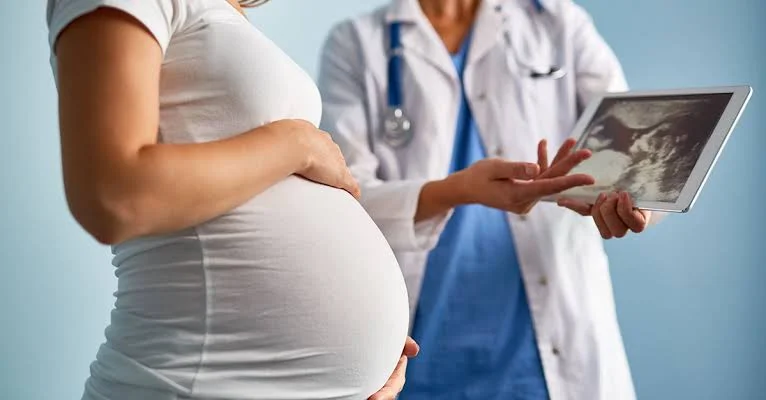
High-risk pregnancy care is individualised according to the mother’s condition, gestational age, fetal development and the specific reason the pregnancy requires additional monitoring.
Depending on the pregnancy, care may include:
- More frequent obstetric consultations
- Maternal blood pressure monitoring
- Blood and urine investigations
- Blood glucose monitoring when indicated
- Ultrasound assessment of fetal growth
- Doppler studies when clinically required
- Monitoring fetal movements
- Fetal well-being assessment
- Non-stress testing or other fetal surveillance when indicated
- Monitoring for signs of preeclampsia or preterm labour
- Medication when medically appropriate
- Coordination with other specialists when required
- Planning the appropriate timing and mode of delivery
- Neonatal support when additional newborn care may be anticipated
Not every woman with a high-risk pregnancy requires every test. The type and frequency of monitoring depend on the reason the pregnancy is considered high risk.
Maternal and fetal monitoring
High-risk pregnancy care focuses on both maternal health and fetal well-being.
For example, women with hypertension may require closer blood pressure and laboratory monitoring, while pregnancies affected by fetal growth concerns may require additional ultrasound and fetal surveillance.
Pregnancy complications can also change over time, which means the monitoring plan may need to be modified as pregnancy progresses.
Delivery planning in a high-risk pregnancy
Having a high-risk pregnancy does not automatically mean that a C-section will be required.
The timing and mode of delivery depend on factors such as:
- Mother’s medical condition
- Baby’s growth and well-being
- Baby’s position
- Placental condition
- Gestational age
- Previous obstetric history
- Progress of labour
- Specific pregnancy complication
When vaginal delivery is considered medically appropriate, it may still be possible. A Caesarean delivery may be recommended when clinical circumstances make it the safer option for mother or baby.
When should a pregnant woman seek urgent medical attention?
Pregnant women should seek prompt medical assessment for concerning symptoms such as:
- Significant vaginal bleeding
- Severe or persistent abdominal pain
- Severe headache
- Visual disturbances
- Sudden breathing difficulty
- Seizures
- Fluid leakage before expected labour
- Symptoms suggesting premature labour
- Markedly reduced fetal movement after movements have become established
- Sudden or severe worsening of symptoms
These symptoms do not always indicate a serious complication, but they should not be ignored.
Nirmala Hospital provides 24/7 obstetric emergency support for pregnancy-related concerns requiring urgent medical assessment.
Your health is everything – prioritize your well-being today.

Book Appointment Now
Our High-Risk Pregnancy Doctors

Dr. K. Nirmala
Obstetrician & Gynaecologist
MBBS, DGO ,DNB
Dr. K. Nirmala is the Founder and Medical Director of Nirmala Hospital. Her clinical practice includes obstetric and gynaecological care, including management of high-risk pregnancies.

Dr Lubna
Gynaecologist and Obstetrician
MBBS-DGO , DNB
The obstetric team works with other hospital specialties when additional medical or neonatal support is required during pregnancy or childbirth.

Dr. G. Sushma
Laparoscopic surgeon MBBS, MS Obgn(osm)
(MRCOG) FMAS ,DMAS ,DCG
Dr. G. Sushma provides obstetric and gynaecological care, including pregnancy management, high-risk pregnancy care, normal delivery and Caesarean delivery.
Frequently Asked Questions About High-Risk Pregnancy
A high-risk pregnancy is one in which the mother or baby has an increased risk of pregnancy-related complications and therefore may require additional medical monitoring or treatment.
No. The term means that the pregnancy requires closer observation because certain factors increase the possibility of complications. Many women with high-risk pregnancies can still have successful pregnancies with appropriate medical care and monitoring.
There is no single schedule for every high-risk pregnancy. The frequency of consultations depends on the medical condition, stage of pregnancy, fetal well-being and results of ongoing monitoring.
Testing depends on the individual condition. It may include blood and urine investigations, ultrasound scans, fetal growth assessment, Doppler studies and fetal surveillance tests when clinically indicated.
Gestational diabetes can increase the need for additional pregnancy monitoring. Management may include blood glucose monitoring, nutritional guidance, fetal growth assessment and medication when required.
Learn more: Gestational Diabetes Treatment in Hyderabad.
High blood pressure disorders during pregnancy can require closer medical monitoring because conditions such as gestational hypertension and preeclampsia may affect both maternal and fetal health.
Possibly. A high-risk classification alone does not automatically determine the method of delivery. Your obstetrician considers maternal health, fetal condition, pregnancy complications and labour progress when recommending the safest delivery plan.
You should consider early obstetric evaluation if you have a significant medical condition, experienced serious complications in a previous pregnancy, are carrying multiple babies or have been told that your current pregnancy requires additional monitoring.
Consult a High-Risk Pregnancy Doctor in Hyderabad
If your pregnancy has been classified as high risk, or if you have a medical condition that may affect pregnancy, early evaluation can help determine the level of monitoring and care you may require.